Metal vs. Ceramic vs. Clear Braces in Jackson, MS: Which Type Is Right for You?
Choosing the right orthodontic treatment is one of the most important decisions in any orthodontic journey, and Jackson, MS, patients today have more options than ever before.
Whether you are a teenager preparing for high school or an adult finally addressing a long-standing bite issue, understanding the differences between metal, ceramic, and clear aligners can help you make a confident choice before your first consultation. This guide breaks down how each type works, what to expect day to day, and which patients each option tends to suit best.
How Metal Braces Work
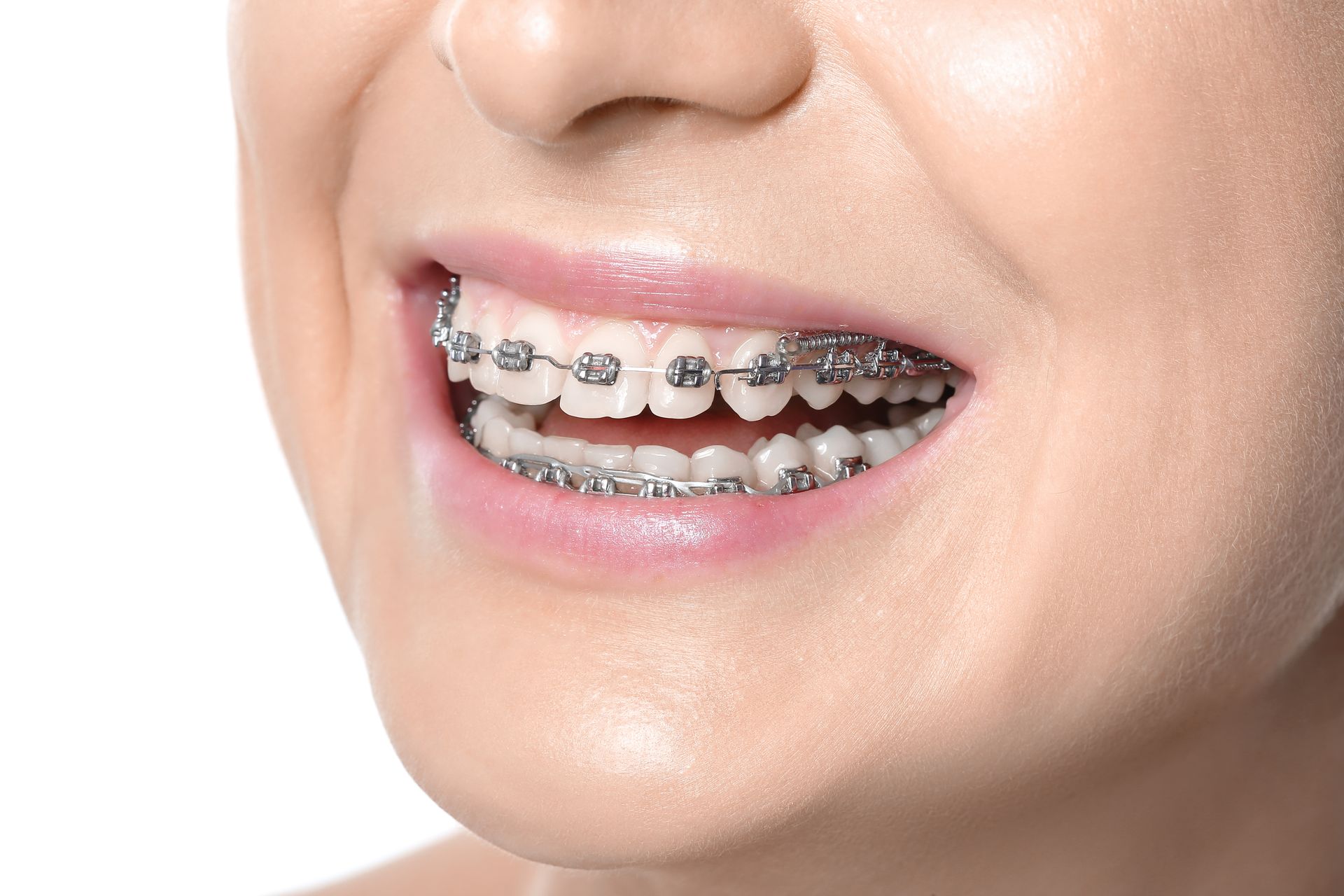
Metal braces are the most traditional form of orthodontic treatment. They use stainless steel brackets bonded directly to each tooth, connected by an archwire that gradually shifts teeth into the desired position. Routine adjustment visits allow the orthodontist to tighten the wire and track progress throughout the treatment period.
This option is highly effective for a wide range of cases, from simple crowding to more complex bite corrections. Because metal hardware is the most durable option available, it can handle significant tooth movement with reliable precision. Patients who need extensive correction may find that this approach delivers results more predictably than other options.
One thing to keep in mind is visibility. Metal brackets are clearly noticeable, which matters more to some patients than others. On the upside, this treatment generally requires fewer dietary restrictions than might be expected, though sticky and hard foods should still be avoided to protect the brackets and wires.
What Makes Ceramic Brackets Different?
Ceramic brackets work the same way metal ones do, using brackets and archwires to move teeth over time. The key difference is the material. Ceramic brackets are made to blend with the natural color of teeth, making them far less visible than stainless steel.
This option is popular for patients who want effective orthodontic treatment without the bold look of metal hardware. Teens and adults who are conscious of their appearance during treatment often consider it. Ceramic brackets are generally slightly larger than metal ones, and the material can be more brittle, so patients need to take reasonable care during treatment.
One important note: ceramic brackets can stain over time if patients frequently consume dark beverages like coffee, tea, or sodas commonly served at gatherings across the Jackson area. Good oral hygiene and limiting stain-causing foods and drinks can help keep them looking their best throughout treatment.
Understanding Clear Aligners
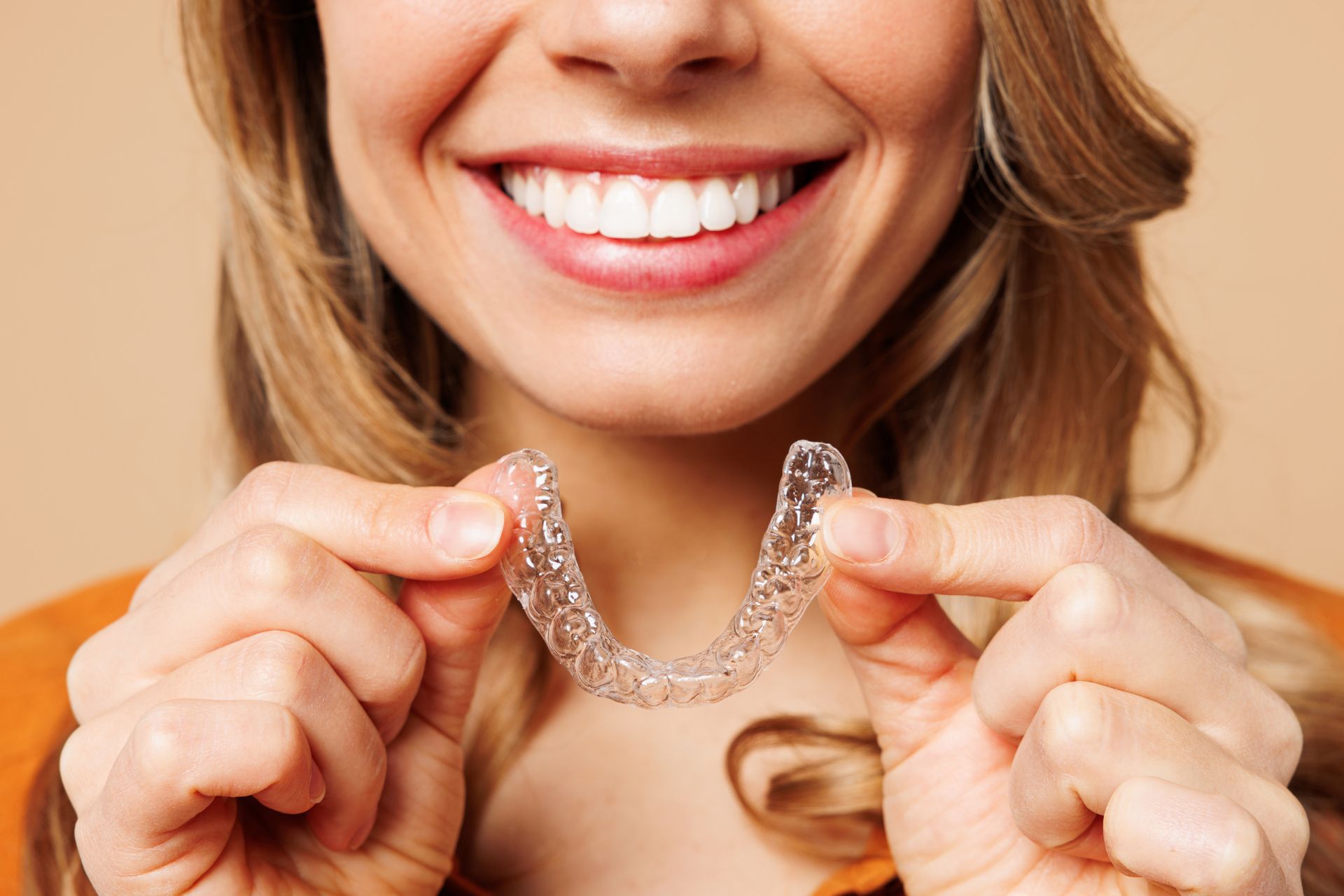
It is worth clarifying a term that can cause confusion. "Clear braces" sometimes refers to ceramic brackets, described above, and sometimes refers to clear aligners, which are a completely different type of treatment. Clear aligners are removable plastic trays custom-fitted to gradually reposition teeth.
Unlike fixed appliances, clear aligners are taken out for eating, drinking anything other than water, and brushing. This makes oral hygiene much easier to maintain during treatment. Patients who choose aligners typically receive a series of trays, each worn for a set period before moving to the next tray in the series.
Clear aligners tend to work best for mild to moderate alignment and spacing issues. They may not be the right fit for more complex orthodontic cases. Patients who travel frequently or play sports in the greater Jackson, MS, area often appreciate the flexibility that removable aligners offer. Discipline matters, though, since aligners must be worn consistently to be effective.
You can learn more about whether aligners might suit your situation by reading the clear aligner candidate guide for Jackson, MS patients.
Comparing Visibility, Durability, and Lifestyle Fit
Each option involves real trade-offs across three key factors.
Visibility: Metal brackets are the most noticeable. Ceramic brackets blend in much better but are not invisible. Clear aligners are the most discreet option when worn correctly.
Durability: Metal hardware is the toughest. Ceramic brackets, while attractive, can chip or crack more easily under pressure. Aligners are prone to warping if exposed to hot beverages and must be stored safely when not in use.
Lifestyle fit: Metal and ceramic appliances are fixed, meaning there are no daily decisions about wearing them. Aligners require consistent wear of around 20 to 22 hours per day and careful handling to avoid loss or damage. For active families with children involved in youth sports leagues around the Jackson metro area, a fixed appliance may actually offer fewer day-to-day concerns.
Frequently Asked Questions
Can I Get Clear Aligners If I Have Dental Work Like Crowns or Bridges?
Having crowns, bridges, or other restorations does not automatically rule out aligner treatment. Your orthodontist will review the location and condition of any existing dental work to determine how aligners may interact with it.
How Long Does Clear Aligner Treatment Typically Take?
Treatment length varies by case. Some patients may see results in a matter of months, while more involved cases can take longer. Your orthodontist will provide a personalized timeline after a thorough evaluation.
Are Clear Aligners Covered by Dental Insurance?
Many plans that include orthodontic benefits may cover a portion of clear aligner treatment. Coverage varies widely, so check with your insurance provider and the orthodontic office before starting. Flexible payment options may also be available.
What Happens If I Don't Wear My Aligners Enough?
Teeth can shift back toward their original position if aligners are not worn as directed. Missing too many hours of wear time can slow progress or require additional trays to correct course.
At What Age Should My Child First See an Orthodontist?
The American Association of Orthodontists generally recommends that children have their first orthodontic screening around age 7. Early evaluation does not always mean early treatment, but it allows the orthodontist to monitor development and plan ahead if correction is needed.
Take the Next Step Toward a Straighter Smile
No single option is the best choice for every patient. The right treatment depends on your age, the complexity of your case, your daily routine, and your personal goals. Eugene C. Brown, Jr., DDS, MS, serving Jackson, MS, and the surrounding communities of Ridgeland, Madison, Brandon, and Flowood, offers personalized consultations to help patients of all ages find the right fit. To ask about financing options or to schedule your complimentary evaluation, contact the office or call (601) 957-1711 to schedule your free consultation and find out if aligners are the right fit for you.